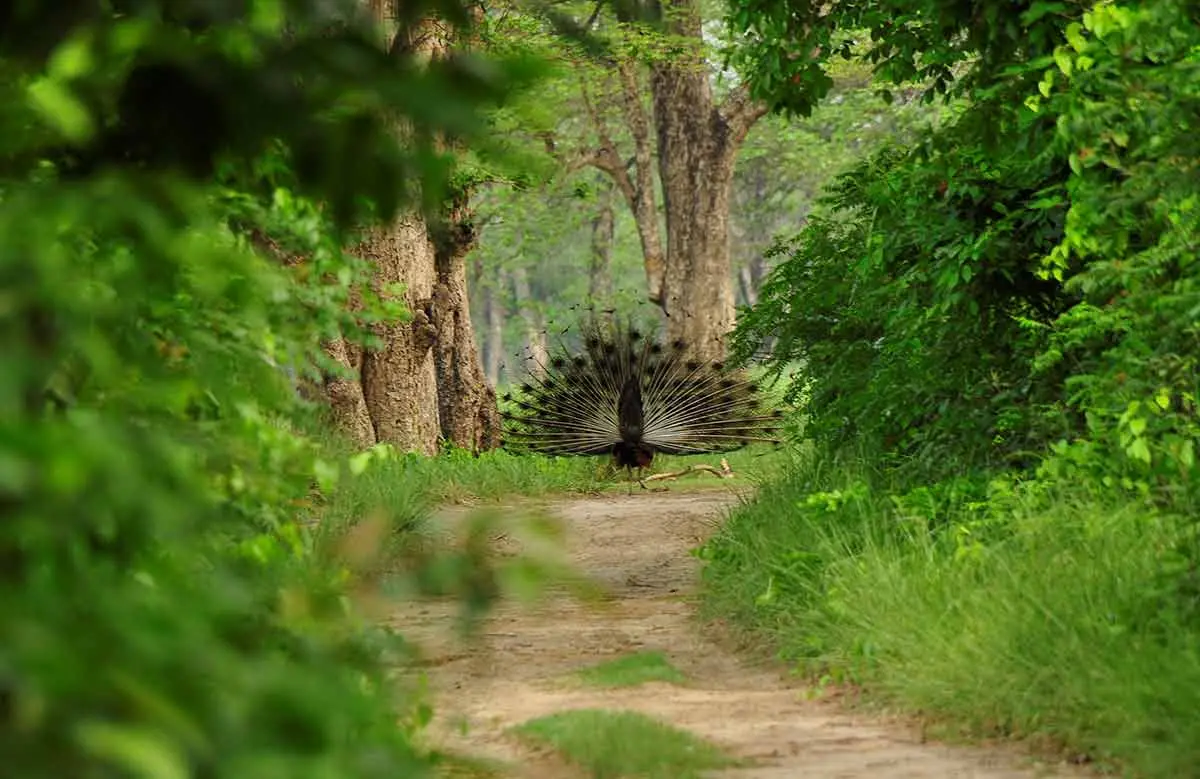
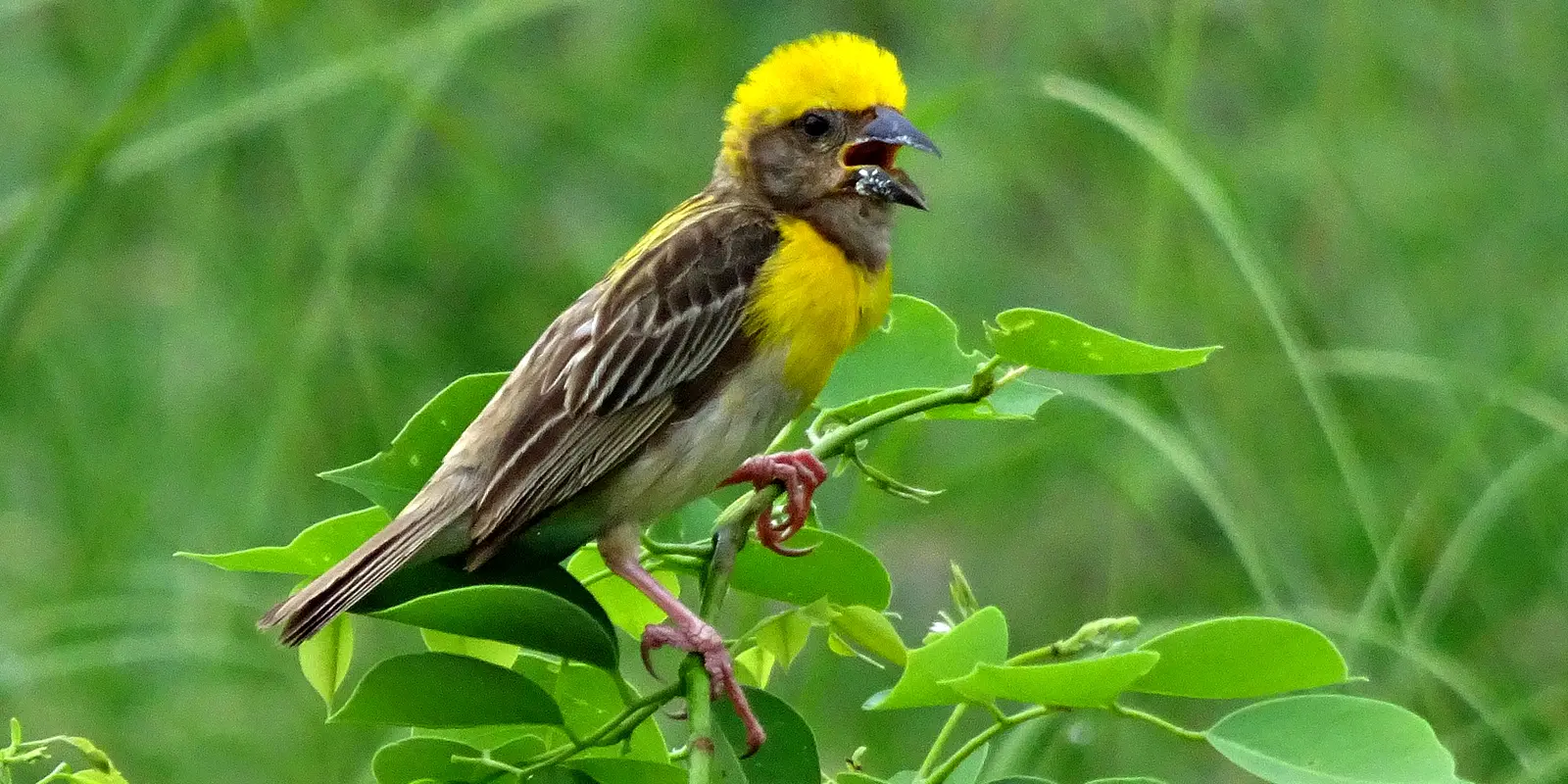
Jungle safari in Nepal takes you through the jungles where these species reside. Mostly, jungle safari includes a trip through the national parks and wildlife reserves of Nepal, including the Royal Chitwan National Park, Bardia National Park, and Koshi Tappu Wildlife Reserves, which are amongst the most popular of the fourteen National Parks in Nepal. Offering some of the most exciting safari destinations of the world, these sites ensures that you will get the jungle-experience that you desire, on an elephant back or maybe a four-wheel drive across the jungle. Canoe rides on the rivers, nature walks, and bird watching are some of the attractions of the trip which may be followed a tour to the village or maybe a cultural excursion.

Nepal is the home to over thirty species of large wild animals, animals like elephants and tigers, and approximately 180 species of mammals. Some of the many species of wild animals found in Nepal are rhinoceros, tiger, crocodile, snow leopard, red panda, Himalayan black bear, wild and ferocious gaur bovines, four honed antelope, striped hyena, sambar, chital, hog deer, barking deer, sloth bear, palm civet, langur and rhesus macaque monkeys, pangolin, Gangetic dolphin, monitor lizard, python, cobra, green pit viper, tortoises, and so on. These animals roam the jungles of Nepal and provide a spectacular glimpse of nature.

chitwan badia koshi

Here are some of the most popular Jungle Safari in Nepal

Chitwan National Park

chitwan chitwan

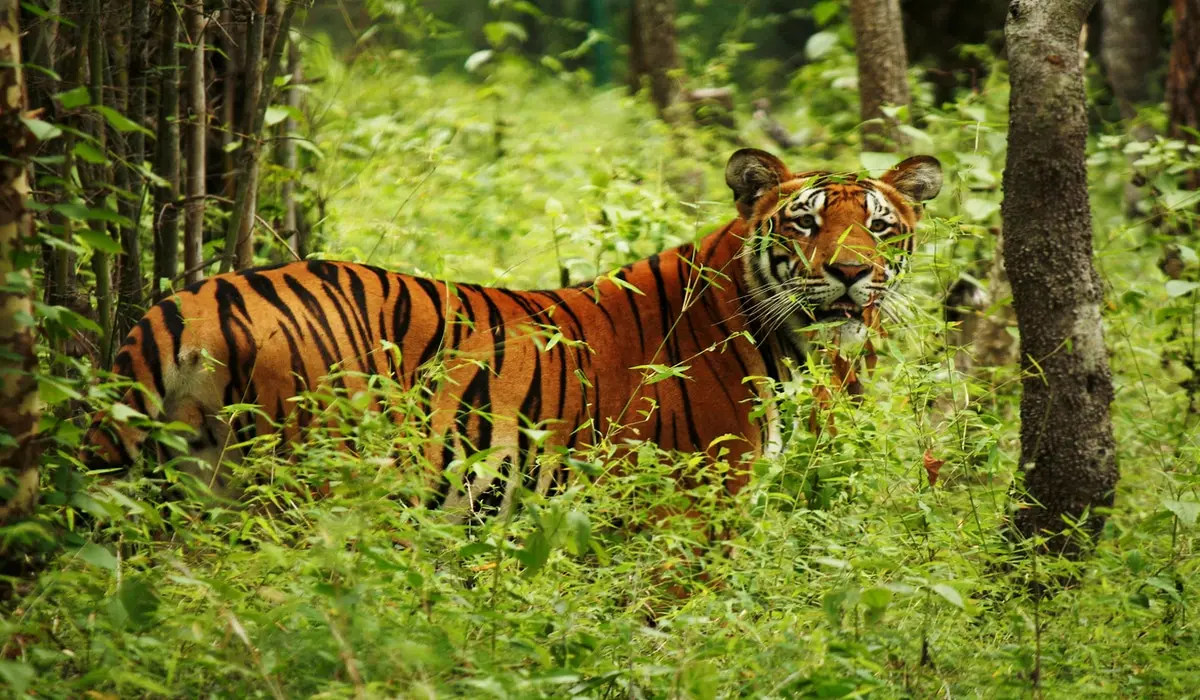
Asia’s most well-preserved conservation area is the Chitwan National Park, where wildlife thrives and habitats remain intact. Only a half-hour flight away from Kathmandu, the park lies in the 'Tarai' region (plains) and is home to a range of wildlife including endangered species like the Greater One-horned rhinoceros and the elusive Royal Bengal tiger.

Enlisted as a UNESCO World Heritage Site, the park has a particularly rich flora and fauna boasting more than 450 species of birds. Resorts within the park facilitate safaris on elephant back, boat ride or jeep drives.

Chitwan National Park is the favorite destination of tourists looking for an enduring safari experience. Once this large tract of land was declared a national park, illegal settlements were halted and deforestation brought under control within its boundaries. At the same time poaching was controlled to some extent. The natural habitat of wildlife was preserved and they flourished. Major Projects were initiated to save the tiger and rhinoceros with the help of friendly nations and foreign institutions. As a result rhinos are quite commonly seen in Chitwan and occasionally the Bengal tiger can be spied well camouflaged among the tall grass. The Rapti River has been dammed to create a man-made lake called Lamital where waterfowl and many other exotic birds are found in abundance. Elephant grass that are five to six feet tall, provide excellent cover for animals.

Things to do in Chitwan

Jungle Safari: Jungle safari on elephant back is the highlight of a trip to Chitwan. The elephant takes visitors into the heart of the jungle clearing paths where there are none, wading through the river allowing an unmatched view of the jungle. It is a good photo opportunity as well with a view from the top. Jungle walks, jeep drives and canoe rides are the other means of seeking out the abundant bird-life and wide variety of flora and fauna in the Park. With a bit of luck, you may see the elusive Royal Bengal tiger too.

Birdwatching: The Chitwan National Park is made up of dry deciduous forest, tropical evergreen forest and riverine grasslands. The highest number of bird species (over 539) has been recorded here than in any other part of Nepal. The naturalist accompanying you will point out birds on trees that you would never have spotted on your own.

Bardia National Park

bardia bardia

Nepal Bardia National Park is the largest and most peaceful place in Nepal. Situated in the Terai valley, it covers an area of approximately 968 sq. km. The park swas established to protect representative ecosystems, as well as to protect tigers and their prey species, and is protected by the board of wildlife in Nepal.

The Royal Bardiya Park was established in 1969 as a Royal Hunting Reserve. And in 1976 it was gazetted as the Karnali Wildlife Reserve. When this area was protected, about 1500 people of the Babai valley were resettled outside the park allowing the flora and fauna to thrive. In 1982 it was renamed as The Royal Bardia National Park, and in 1984 it was extended to its current size.

The reserve was given the status of a National Park in 1988. Greater One-horned Rhinoceros were translocated from Royal Chitwan National Park in 1986, 1991, and 1999. In 1997, an area of 327 sq. km surrounding the park was declared as a buffer zone which consists of forests and private lands. The buffer zone is jointly managed by the park and local communities. Together they began community development activities and managed natural resources in the buffer zones.

The National Park in Nepal is about a four-hour drive from the town of Nepalgunj which is connected to the Kathmandu. The quickest way to get there is to fly from Kathmandu to Nepalganj where the lodge staff will meet you for the 2-hour drive to camp.

At Bardia National Park there are more than 30 different mammals and endangered animals. You will be able to see the tiger, rhinoceros, wild elephant, and the black buck. Also found at the National Park are over 300 species of reptiles and fish including crocodile and dolphin. The Park is a bird watcher’s paradise that displays many beautiful and colorful endangered species of birds including migratory birds. You will see the Bengal florican, silver-eared mesia and the Sarus crane.

A massive percentage of the national Park comes to life with the many stunning trees with a mixture of beautiful lush forest with grasslands. About 70% of the forest consists of sal trees with a mixture of grassland and riverine forest. Sal leaves are used in celebrations and religious offerings. Walking in these surroundings is amazing. Other common animals found in the park include the leopard and lesser cat. You will be amazed at how much there is to see in the Bardia National Park. There are also several interesting animals roaming about such as deer, monkeys, and bears. What an ideal park to visit for game viewing.

The Royal Bardia National Park has three different seasons, each one giving an exclusive experience. From October to early April the weather is dry. The days are hot, and the nights are cool and enjoyable. From April through June the temperature warms up, and peaks at about 45 degrees Celsius in May. The hot sticky days give way to the monsoon rains that last until September.

Come and experience Bardia National park’s warm hospitality. There are lovely lodges in the park as well as wildlife tours of three or more days. Inclusive of accommodation you will receive meals and wildlife activities. To experience Bardia National Park a two-night stay over would be great, but staying an extra day is worthwhile. The lodge operates round the year except during the Monsoon season of June - September when most lodges are closed. You may choose to be accompanied by the resident naturalists and guides on excursions such as the elephant-back safaris, canoe rides, jungle walks, bird-watching tours, and jeep drives.

So come and explore and have fun with the whole family.
Koshi Tapu Wildlife Reserve

koshi koshi

Koshi Tappu Wildlife Reserve is a preserved wetland in the eastern part of Nepal. It covers an area of 68 sp.miles; and located in the floodplains of Sapta Koshi River (the largest river in Nepal). Since its establishment in 1976, this area has been attracting large crowds of domestic and international tourists. Thus, Koshi Tappu Wildlife Reserve Tour is one of the most popular tours in Nepal.

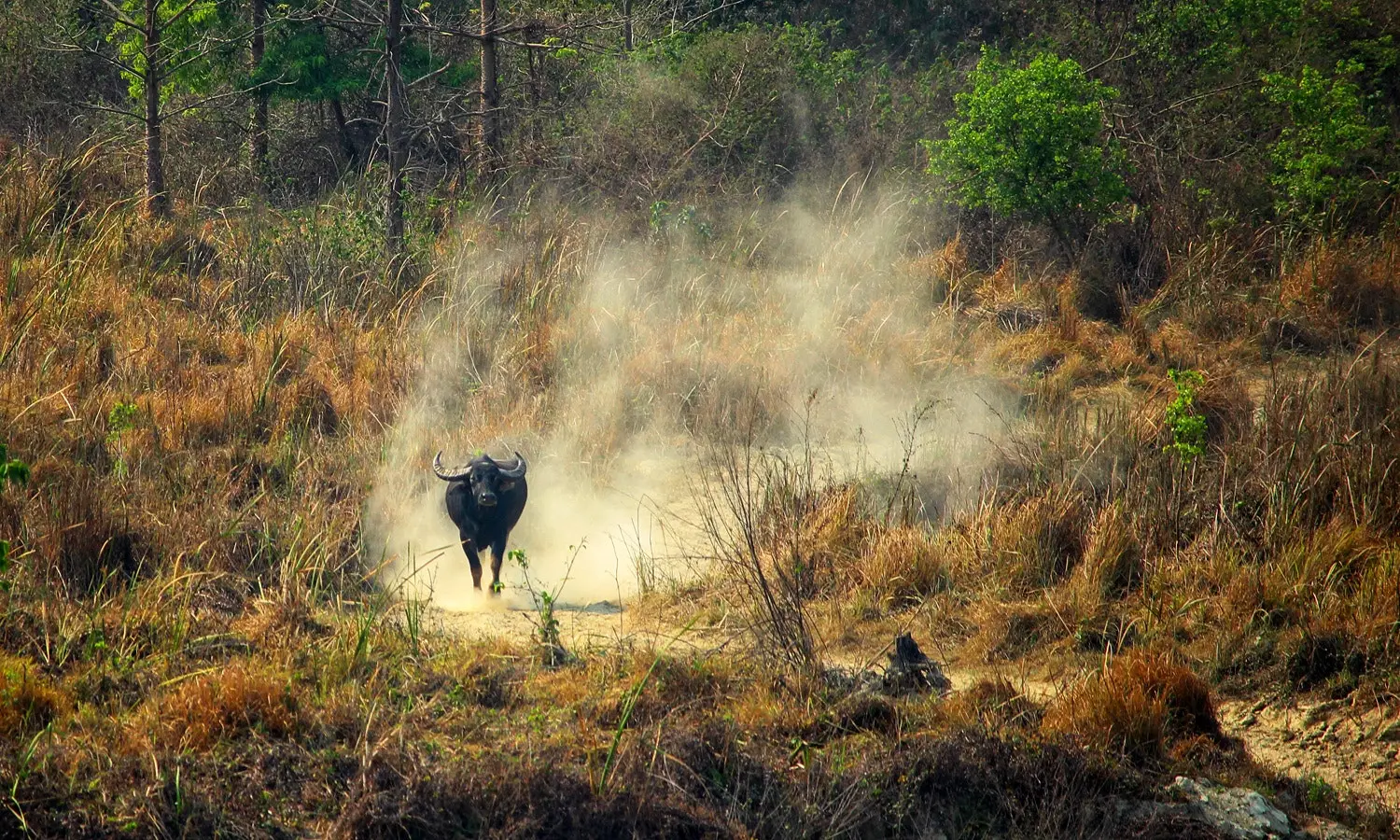
It lies 347 Km east from the Kathmandu Valley. Koshi Tappu Wildlife Reserve is home to endangered wild water buffalo (Arna in Nepali ) species. Besides that, this wildlife reserve also provides inhabitants to 31 mammals, 485 birds, 200 fishes and more.

Overall Koshi Tappu area is full of deciduous riparian forest, grasslands, rich swampy vegetation, etc. Recorded about 514 species of plant and vegetation; most common ones include sugarcane, kapok, reed, eelgrass, etc.

Touring around Koshi Tappu wildlife reserve offers a unique exploration of the land and water ecosystem of Nepal. You can enjoy a boat ride on The Sapta Koshi River; and take a glimpse of Gangetic dolphins, sunbathing crocodiles, and gharials, etc.

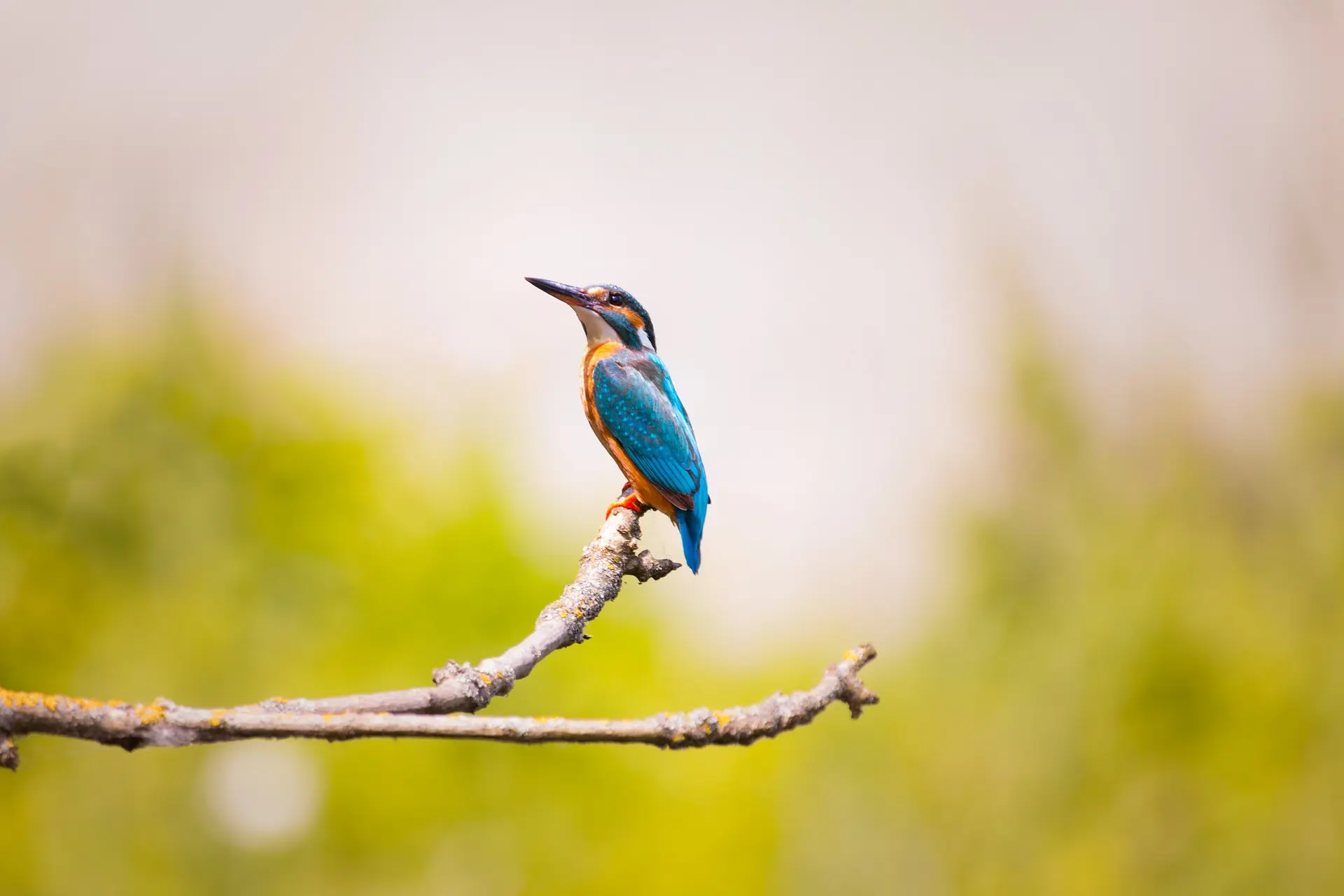
The Koshi Wildlife Reserve is home to numerous local and migratory birds. About 485 birds found in Koshi Tappu Wildlife Reserve which makes an ideal place for Koshi Tappu birds watching tour. Koshi Tappu Picnic Spot is also famous among locals for holidays.

Our Koshi Tappu Wildlife Reserve Tour starts with a flight/drive from Kathmandu to Biratnagar(35 min flight), or drive to Kashi Tappu (8 hours drive). This wildlife tour package offers nature walks along the woods, grasslands, beaches, etc for those who love walking. You can also enjoy camping, barbeque, and cultural programs at night in Koshi Tappu Resorts.

Have any question? Our team is happy to assist you

We’re here to help! If you have any questions or need assistance with any aspect of our services, our dedicated team is ready to assist you. Don’t hesitate to get in touch with us.